Too Hip to Hop Wavy Retro Svg Design Review
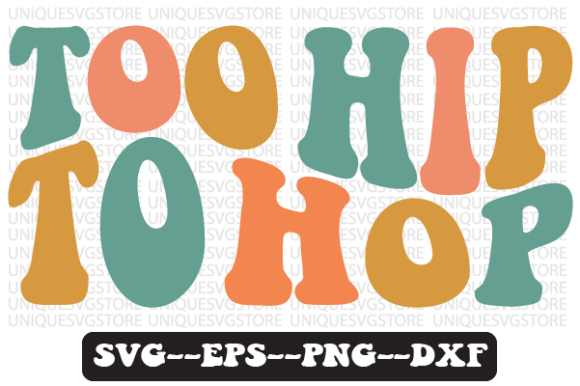
I have spent years reviewing digital assets for my own boutique and client projects, so I approach every new file with a mix of excitement and skepticism. When I first laid eyes on the Too Hip to Hop Wavy Retro Svg Design, my initial reaction was one of genuine curiosity. It isn't just another generic vector; it carries a specific mood that feels both nostalgic and fresh. The wavy lines and groovy typography immediately suggest a vibe that is perfect for the current resurgence of retro aesthetics in the handmade market.
As an experienced designer, I don't just look at how a design looks on a screen; I visualize how it translates into thread. My goal here is to give you a practical breakdown of how this embroidery file performs when moved from the digital realm to the physical fabric. Whether you are an Etsy seller looking to expand your catalog or a crafter making a personalized gift, understanding the nuances of this design is crucial before you hit the "stitch" button.
The First Impression: Mood and Visual Personality
The Too Hip to Hop Wavy Retro Svg Design exudes a carefree, 70s-inspired energy. The wavy elements create a sense of movement that is rarely seen in standard block-letter embroidery designs. This dynamic quality suggests that the design belongs best on items where a bit of personality is required. It feels less like corporate branding and more like something you would find in a curated vintage shop or a trendy local boutique.
In terms of layout, the curves offer a natural flow that guides the eye across the garment or accessory. This is a significant advantage over rigid, straight-edged designs which can sometimes feel stiff when stitched on soft fabrics like cotton or jersey. The visual personality of this piece is confident without being aggressive. It strikes a balance that appeals to a wide demographic, from teenagers looking for unique streetwear to adults who appreciate a touch of nostalgia in their home decor.
Real-World Application: From Screen to Stitch
To truly understand the utility of this design, I simulated a real-life scenario: creating a custom embroidered tote bag for a small business launch. I imagined applying the Too Hip to Hop Wavy Retro Svg Design onto a sturdy canvas tote. The wavy lines would catch the light beautifully as the bag moves, adding depth that flat prints often lack. For a craft fair product, this kind of tactile detail is what separates a mass-produced item from a high-quality handmade good.
I also considered its potential on a sweatshirt. The retro theme fits perfectly with oversized, comfortable apparel. If I were designing a line of baby clothes, this design could be adapted for a onesie or a nursery pillow cover. The groovy aesthetic works well for holiday gifts, particularly during seasons where people lean towards fun, colorful, and thematic items. The versatility extends to aprons and kitchen towels, where the textural contrast between the thread and the fabric adds a layer of professionalism to the finished product.
However, not every surface is created equal. When I think about using this design on a cap or hat, the curved surface presents a challenge. While the wavy nature of the design helps mitigate some distortion, placing it on a tight curve requires careful digitizing adjustments to ensure the text remains legible. Similarly, for small hoop sizes, the intricate details of the waves might get lost if the stitch density is too high. In these cases, the design might need simplification to maintain clarity.
Technical Considerations for Embroidery Success
One of the most critical aspects of any machine embroidery design is how it handles different materials. The Too Hip to Hop Wavy Retro Svg Design relies heavily on smooth transitions between its curves. On textured fabrics like heavy denim or boucle wool, the stitching might not lay as flat as intended, potentially obscuring the fine details of the wave pattern. Thin fabrics, such as lightweight polyester blends, pose another risk; without proper stabilizer support, the tension of the satin stitch could cause the fabric to pucker, ruining the clean look of the design.
For dark fabrics, thread color selection becomes paramount. A standard white thread might get lost against a navy background, whereas a bright neon thread could pop but might clash with the retro vibe if not chosen carefully. I always recommend testing the design in black and white mockups first to check the contrast levels before committing to expensive thread colors. This step ensures that the visual hierarchy of the text and the graphic elements remains intact regardless of the background color.
Stitch Density and Detail Management
The success of this project hinges on managing stitch density. If the fill stitches are too dense, the fabric will become stiff and lose its drape, which is undesirable for items like t-shirts or baby clothes. Conversely, if the density is too low, the underlying fabric might show through, making the design look patchy. The running stitch areas, if present, must be spaced correctly to prevent thread breakage on long stretches.
When working with detailed corners or tiny lettering, caution is advised. Small text can easily become illegible after washing, especially on items that require frequent laundering. For commercial embroidery projects intended for resale, durability is key. I advise checking the license terms carefully to ensure you are permitted to sell finished items featuring this design. Many digital products come with restrictions on commercial use that can lead to legal issues down the line.
Impact on Brand and Customer Trust
A well-executed embroidery project speaks volumes about the maker's attention to detail. Using the Too Hip to Hop Wavy Retro Svg Design effectively can elevate the perceived value of your handmade product. Customers are willing to pay a premium for items that show clear craftsmanship and thoughtful design choices. When the stitching is crisp, the colors are vibrant, and the placement is precise, it builds trust and encourages repeat business.
For Etsy sellers and small shop owners, having a consistent brand identity is vital. This design offers a distinct style that can help your products stand out in a crowded marketplace. However, consistency doesn't mean using the same design everywhere; it means ensuring that every item you produce meets a certain standard of quality. By testing the design on scrap fabric first, you can verify that the final product matches your expectations before presenting it to a paying customer.
Practical Tips for the Designer
- Test on Scrap Fabric: Always run a test stitch on a piece of the actual fabric you intend to use. This reveals issues with tension, puckering, or thread compatibility early on.
- Check Thread Contrast: Ensure the thread colors provide enough contrast against the fabric to make the design readable from a distance.
- Review Stitch Density: Adjust the density settings in your software to match the fabric type. Heavier fabrics can handle denser stitches, while delicate fabrics need lighter coverage.
- Confirm Hoop Size: Verify that the design fits within your machine's hoop limits, especially for larger projects like blankets or large patches.
- Inspect Small Details: Zoom in on the digital file to ensure no tiny elements are too small to stitch accurately.
- Use Proper Stabilizer: Select the right stabilizer (cut-away, tear-away, or wash-away) based on the fabric's stretch and weight to prevent distortion.
- Licensing Verification: Double-check the licensing agreement to confirm whether you can sell finished goods made with this design.
The Too Hip to Hop Wavy Retro Svg Design is a strong candidate for various embroidery projects, provided you approach it with the right technical preparation. It offers a blend of retro charm and modern appeal that can enhance everything from personalized gifts to boutique merchandise. By paying attention to fabric texture, thread selection, and stitch density, you can transform this digital asset into a stunning physical product that customers will love.
Ultimately, the decision to use this design comes down to your specific needs and the quality of your execution. If you take the time to prepare properly, the result will be a professional-looking item that stands out in any category, whether it is Crafts, Graphics, or custom apparel. Happy stitching!