Homecoming Wavy Retro Svg Design: A Real Designer's Review
As someone who has spent years stitching designs for clients, running a small Etsy shop, and judging what actually holds up in the wash versus what looks great on a screen, I approached the Homecoming Wavy Retro Svg Design with a mix of excitement and skepticism. The retro aesthetic is undeniably popular right now, but not every "groovy" graphic translates well to thread. When you are looking at a file labeled as both a sublimation design and an embroidery asset, your first instinct should be caution. You need to know if this piece will survive the transition from digital preview to a tangible, stitched product that customers will cherish.
The First Impression: Mood and Visual Personality
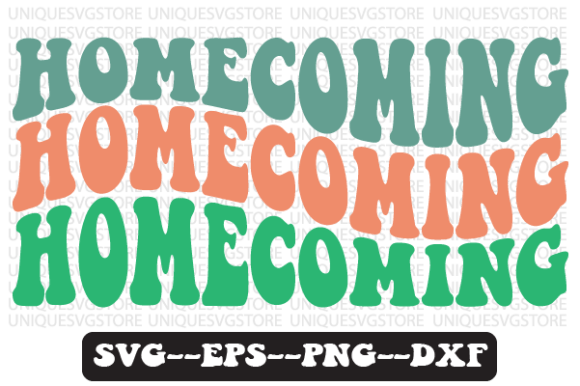
Immediately, the Homecoming Wavy Retro Svg Design exudes a specific kind of nostalgia. It isn't just a generic wavy line; it carries a mid-century modern vibe mixed with the playful energy of a classic high school reunion theme. The visual personality is confident and slightly whimsical, which makes it perfect for casual wear rather than formal attire. For a designer, the initial appeal lies in the flow of the lines. Unlike rigid geometric shapes that can sometimes look stiff when embroidered, these curves suggest movement. This is crucial because embroidery relies on thread density to create form, and smooth waves allow for better stitch direction changes without bunching.
The layout feels balanced, suggesting that the designer understands negative space. In the world of machine embroidery design, how much empty fabric surrounds your motif often determines its elegance. A cluttered design can look cheap, while one with breathing room looks professional. This file seems to strike that balance, making it a strong candidate for various applications, from a simple tote bag accent to a statement piece on a sweatshirt.
Real-World Application: From Screen to Stitch
Let's imagine a real scenario. You are preparing for a local craft fair or fulfilling a custom order for a boutique client. They want a set of matching aprons for a homecoming party or perhaps a collection of embroidered patches for a school spirit week. You pull up the Homecoming Wavy Retro Svg Design and start planning your project. The first thing I noticed about how this design performs is its versatility across different mediums. Because it is available as an SVG, DXF, and EPS, it offers flexibility for both cutting machines and embroidery software.
If I were stitching this onto a heavy cotton canvas tote bag, the wavy lines would likely hold up beautifully using a satin stitch. The contrast between the thread and the canvas would emphasize the retro feel. However, consider the texture of the fabric. If you attempt this on a thin, stretchy jersey knit for a baby onesie, the stability becomes a concern. While the design itself is charming, the execution depends entirely on your setup. A custom apparel item like a hoodie requires a sturdy stabilizer to prevent the fabric from puckering under the tension of the waves. Without the right support, even the most beautiful design can end up looking distorted.
I also envision this design working exceptionally well as a personalized gift. Imagine a pillow cover featuring the wavy pattern in a soft pastel palette, paired with a name or date in a complementary font. The groovy style fits perfectly into nursery decor or holiday gifts where a touch of fun is desired. For an Etsy seller, this design could serve as a unique selling point, differentiating their shop from the sea of standard floral or minimalist embroidery files.
Where to Exercise Caution
Despite its charm, there are specific situations where the Homecoming Wavy Retro Svg Design might struggle. One major area of concern is small hoop sizes. If you are trying to fit this design onto a cap or a small patch, the curves might become too tight. Tight curves in embroidery often lead to thread breaks or uneven coverage, especially if the stitch density is high. You must ensure that the smallest details remain legible after stitching.
Another tricky area is dark fabrics. If you choose a black or navy background, you will need to select thread colors that offer high contrast. A light gray wave on a dark shirt might get lost, ruining the visual impact. Additionally, if you plan to use this for products that require frequent washing, such as kitchen towels or everyday t-shirts, you need to verify the durability of the stitch type. Satin stitches can sometimes catch on things if they are too dense, so testing on scrap fabric is non-negotiable.
Curved surfaces like caps present another challenge. While the design is flexible, the curvature of a hat can distort straight or sweeping lines if the hooping isn't precise. For embroidered patches, you might need to add a border or a backing to keep the edges crisp. Always inspect small details before committing to a full production run. If the design includes any tiny lettering or intricate corners, test them first to ensure they don't merge together during the stitching process.
Practical Notes for the Embroidery Designer
Before you hit the "start" button on your machine, there are several practical steps to take to ensure success. First, always test the design on scrap fabric that matches your final material. This allows you to see how the thread colors interact with the fabric texture and whether the stitch density needs adjustment. If the design looks too sparse, you may need to increase the fill stitch count; if it looks too thick, reduce the density to prevent bulkiness.
Check your hoop size carefully. Make sure the design fits comfortably within the hoop dimensions to avoid cutting off parts of the waves. Use a proper stabilizer appropriate for your fabric weight—cut-away stabilizers are generally best for woven fabrics like cotton or denim, while tear-away works well for lighter materials. If you are creating a commercial embroidery project, confirm the licensing terms. Just because you bought the file doesn't always mean you have the right to sell unlimited finished items. Verify whether the license covers digital products, physical goods, or both.
Finally, review the design in black and white mockups. Sometimes color choices can distract from the underlying structure of the design. By stripping away color, you can better judge the shape and flow of the Homecoming Wavy Retro Svg Design. Does it still look good? Is the rhythm of the waves clear? This step helps ensure that your finished product maintains its professional quality regardless of the color palette chosen.
Final Thoughts on Value and Appeal
In conclusion, the Homecoming Wavy Retro Svg Design offers a solid foundation for creative projects ranging from craft business merchandise to heartfelt handmade gifts. Its retro aesthetic taps into a timeless trend, and its vector format provides the necessary tools for customization. However, success lies in the details. The difference between a mediocre result and a standout piece often comes down to the preparation work you do beforehand.
For those looking to expand their design assets or refresh their small shop product line, this file is worth considering. It brings a sense of joy and nostalgia that resonates with buyers. Whether you are making holiday embroidery pieces, sweatshirt embroidery for a team, or baby embroidery for a new arrival, this design adds a layer of personality that mass-produced items lack. Just remember to respect the limitations of the medium, test thoroughly, and let your creativity guide the stitching. With the right approach, the Homecoming Wavy Retro Svg Design can elevate your work from a simple craft to a professional brand identity.