Groovy Honey Wavy Retro Svg Design Review
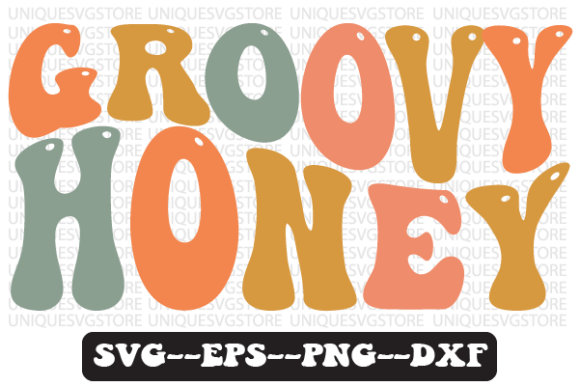
I have spent years reviewing digital assets for my own boutique and client work, so I know exactly what makes a design feel "real" versus just another download. When I first encountered the Groovy Honey Wavy Retro Svg Design, my initial reaction wasn't about the file count or the specific formats included in the package. Instead, I focused on the visual personality. It carries a distinct mid-century modern vibe that feels warm, inviting, and undeniably nostalgic. The wavy lines create a sense of movement that is perfect for softening rigid product layouts, while the "honey" theme suggests sweetness and comfort.
This isn't just a graphic; it is a mood setter. For an embroidery designer looking to add character to a collection, this design offers a unique opportunity to blend retro aesthetics with modern stitching techniques. It strikes a balance between being trendy enough for a 2024 Etsy listing and classic enough to remain relevant for years. But does it translate well from a screen to a needle? That is the question every serious crafter asks before hitting the stitch button.
From Screen to Stitch: Real-World Application
To truly evaluate the Groovy Honey Wavy Retro Svg Design, I imagined a specific scenario: creating a custom line of handmade kitchen towels and aprons for a local artisan market. The goal was to produce items that felt like a cozy, vintage bakery but were practical for daily use. The wavy nature of the design immediately suggested itself for a large, central placement on an apron bib or a wide horizontal band across a tea towel.
In this context, the design shines because of its fluid geometry. Unlike blocky geometric shapes that can look stiff when stitched, these waves naturally accommodate the flow of thread. I considered using a satin stitch for the outlines to give them a polished, glossy finish that mimics the sheen of old honey jars, while filling the interior space with a softer fill stitch or even a running stitch to keep the texture light and breathable. This approach ensures the final product doesn't feel like a heavy, unyielding patch stuck onto fabric, but rather an integrated part of the textile itself.
The versatility extends beyond the kitchen. I also visualized this design on a baby onesie or a nursery pillow cover. The rounded, organic shapes are gentle on the eyes, making them ideal for children's products where safety and softness are paramount. The retro aesthetic adds a layer of sophistication that parents often seek when buying personalized gifts, elevating the perceived value of the item above standard mass-produced options.
Where the Design Thrives
When planning your next project, consider the environments where this design will perform best. It is particularly effective on medium-weight cotton fabrics, such as canvas tote bags or flannel shirts. The structure of the design allows it to hold up well against the natural grain of the material without warping. For small business owners and Etsy sellers, this makes it a strong candidate for creating cohesive branding elements. Imagine a consistent logo or decorative motif appearing on packaging tags, hangtags, and the actual merchandise. The Groovy Honey Wavy Retro Svg Design provides that visual anchor that ties a brand together.
It is also excellent for holiday-themed projects. The warmth of the color palette implied by the name "Honey" pairs perfectly with autumnal themes, winter holidays, or even summer picnics. Whether you are creating limited-edition sweatshirt embroidery for a fall craft fair or designing festive pillow covers for a winter boutique, this asset offers a flexible foundation that can be adapted with seasonal thread colors.
Navigating Potential Pitfalls
However, no design is without its challenges, and honest evaluation requires acknowledging where things might go wrong. One critical area to watch is the scale of the design relative to the hoop size. If you attempt to stitch this on a very small hoop, the intricate curves might become too crowded, leading to a loss of definition. The waves need breathing room to maintain their groovy character. If the stitches are too close together, the fabric may pucker, ruining the smooth flow of the pattern.
Fabric choice is equally important. While this design works beautifully on stable, woven fabrics, it can struggle on highly textured materials like thick boucle wool or loose-knit sweaters. The uneven surface can cause the machine to skip stitches or result in an inconsistent appearance. Similarly, stretchy fabrics like jersey require careful stabilization. Without a high-quality cut-away stabilizer, the tension of the embroidery could distort the garment, causing the wavy lines to look warped once the fabric relaxes.
Dark fabrics present another consideration. Because the design relies heavily on contrast to define its shape, using light thread on a dark background is essential. If the thread colors do not pop sufficiently, the subtle details of the waves may get lost in the fabric weave. Always test your thread selection against the actual fabric color under the lighting conditions where the product will be sold or displayed. A mockup in black and white can help you visualize this contrast before you commit to expensive thread and time.
Professional Notes for the Embroidery Designer
If you are incorporating this into your commercial inventory, there are a few technical steps you must take to ensure quality. First, always run a test stitch on scrap fabric. This is non-negotiable. You need to verify how the design handles density and whether the edges clean up properly. Check the stitch density settings in your software; if the fill is too dense, it will make the fabric stiff and difficult to wear. If it is too sparse, the design may look unfinished.
Pay close attention to the file formats provided. The product description mentions DXF, EPS, and SVG files. Ensure that your embroidery software can read these formats correctly and convert them into the specific format required by your machine (such as PES, DST, or JEF). Sometimes, converting vector graphics to embroidery files can introduce minor artifacts or change the path of the stitches. Inspect the digitization carefully, especially at the corners and curves, to ensure they are smooth and logical.
Licensing is another crucial factor for those selling finished goods. Before listing any product featuring the Groovy Honey Wavy Retro Svg Design on platforms like Etsy or Amazon Handmade, confirm the commercial usage rights. Some designs allow you to sell physical items made from them, while others restrict you to personal use only. Violating these terms can lead to account suspensions or legal issues down the road. Additionally, check if the license covers the number of units you intend to produce.
Finally, think about the customer experience. A well-executed embroidery project builds trust. When a buyer receives a tote bag or a shirt with crisp, clear stitching that captures the essence of the original design, they are more likely to leave a positive review and return for future purchases. The Groovy Honey Wavy Retro Svg Design has the potential to be a standout piece in your portfolio, provided you respect the technical requirements of the medium.
By approaching this design with a mix of creative vision and technical caution, you can transform a simple digital file into a tangible, high-value product. Whether you are a hobbyist making a gift for a friend or a seasoned entrepreneur expanding your shop, taking the time to understand how the design behaves on fabric is the key to success. Take your time, test thoroughly, and let the retro charm of the waves guide your creative process.