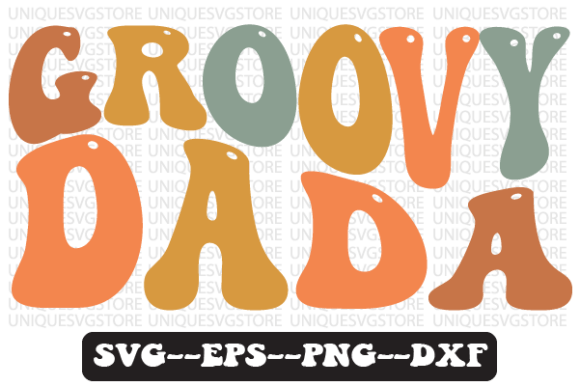
Groovy Dada Wavy Retro Svg Design Review
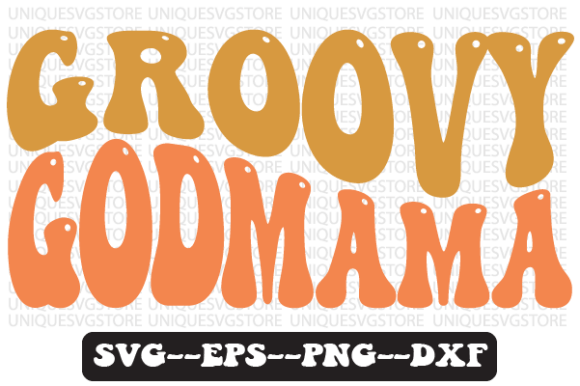
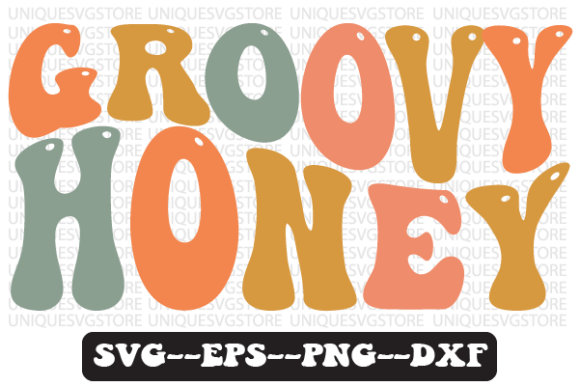
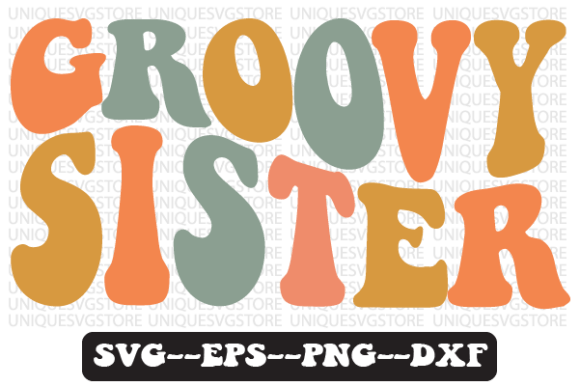
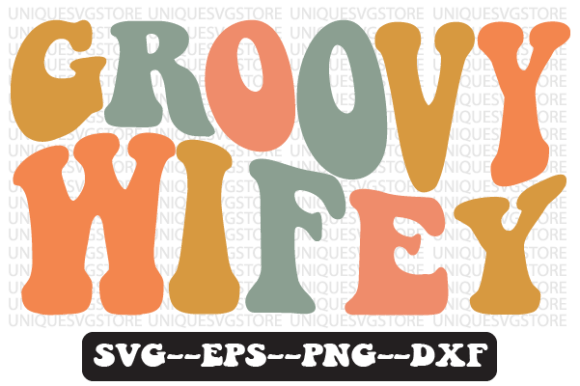
As someone who has spent years stitching out custom apparel and evaluating digital assets for boutique collections, I know that a great design is about more than just looking cool on a screen. It is about how it translates to thread, how it sits on fabric, and whether it holds up after the first wash. When I first opened the Groovy Dada Wavy Retro Svg Design, my initial reaction was one of genuine excitement. The wavy lines capture that specific 70s nostalgia we have all come to love, but the "Dada" influence adds an artistic edge that prevents it from feeling like a generic retro cliché.
This isn't just another vector file; it feels like a mood board come to life. The curves are fluid, suggesting movement even in a static image, which is exactly what you want when planning a machine embroidery design. Before I committed this design to a final project, I ran through my standard mental checklist: Does this work for small business merchandise? Can it scale without losing integrity? And most importantly, will it look professional on a finished product?
From Screen to Stitch: Real-World Application
I recently put the Groovy Dada Wavy Retro Svg Design to the test while preparing a limited run of embroidered tote bags for a local craft fair. The goal was to create a piece of custom apparel or accessory that felt handmade yet polished enough for a retail setting. The wavy nature of the design made it an ideal candidate for the front pocket of a canvas tote. Unlike rigid geometric shapes, these flowing lines follow the natural drape of the bag, creating a dynamic visual effect that catches the eye as the customer moves.
The texture of the canvas provided a sturdy base, allowing the stitch density to pop without puckering. I chose a high-contrast thread palette—mustard yellow against a deep navy background—to emphasize the retro vibe. The result was striking. The satin stitch used for the outlines gave the waves a raised, tactile quality that invites touch, while the fill stitch areas added depth. This kind of dimensional quality is crucial for handmade products; it elevates the perceived value and makes the item feel less like a mass-produced commodity and more like a curated piece of art.
I also considered using this design for sweatshirt embroidery on oversized hoodies. The relaxed fit of modern streetwear pairs perfectly with the groovy aesthetic. However, when testing on a cotton-polyester blend, I had to be mindful of the hoop size. If the design is too large for the available hoop, the tension can become uneven, leading to loose threads or misalignment. For a hoodie, I recommend placing the design centrally on the chest or across the back, ensuring there is enough negative space around the edges so the wavy lines don't get lost in the folds of the fabric.
Navigating Fabric Challenges and Limitations
While the Groovy Dada Wavy Retro Svg Design is versatile, it is not a magic bullet for every surface. As a designer, I always advise clients to consider the limitations of their materials before hitting the print button. One area where this design requires careful consideration is on stretchy fabrics like thin jersey or spandex blends. Without proper stabilizer, the tension of the wavy lines could distort the fabric, causing the garment to pucker or the design to lose its shape over time.
For those working with embroidery patches intended for caps or hats, the curvature of the head presents a unique challenge. While the wavy lines are forgiving compared to straight text, placing a large, detailed graphic on a curved brim can cause the center to sit too far forward or the edges to lift. In these cases, scaling the design down slightly or simplifying the inner details might be necessary to ensure a clean finish. Similarly, if you are planning to use this for baby embroidery on onesies, you must check the stitch count. Dense fill stitches can make the fabric stiff and uncomfortable for sensitive skin, so a lighter touch or a running stitch variation might be better suited for infant wear.
Dark fabrics present another hurdle. While the design itself is neutral, the choice of thread colors becomes critical. On a black shirt, a dark blue wave might disappear into the background, ruining the visual impact. Always test your thread colors against the actual fabric under the lighting conditions where the product will be sold. A quick mockup in black and white can help you visualize contrast levels before you ever load a needle.
Impact on Branding and Customer Trust
In the world of Etsy sellers and small shop products, consistency is key. The Groovy Dada Wavy Retro Svg Design offers a distinct personality that can help define a brand identity. Whether you are selling pillow covers, kitchen towels, or holiday gifts, this design brings a cohesive, artistic flair that resonates with customers looking for unique, handcrafted items. It signals to the buyer that the creator understands current trends while maintaining a timeless aesthetic.
When used correctly, this design enhances brand consistency across different product lines. Imagine a collection where the same wavy motif appears on a tote, a cap, and a pillow. The repetition creates a recognizable visual language that builds trust and loyalty. Customers begin to associate that specific style with your shop, making them more likely to return for future purchases. Furthermore, the design's adaptability allows for personalized gifts; adding a name or date within the waves can turn a standard item into a cherished keepsake.
However, professionalism matters. If the design is stitched poorly, with skipped stitches or visible backing, it undermines the entire effort. That is why I cannot stress enough the importance of testing. Before launching a commercial line based on this design, run a full production test on scrap fabric. Check the stabilizer type to ensure it supports the weight of the design without tearing. Inspect the small details to ensure they haven't been lost in the translation from vector to thread.
Practical Notes for the Modern Designer
Before you download and start stitching, keep these practical tips in mind to ensure your embroidery project is a success. First, verify the file formats. The product description mentions a variety of files including DXF and EPS, which are excellent for cutting machines, but confirm that you have the correct embroidery format (like .PES, .DST, or .EXP) for your specific machine. If you are unsure, reach out to the seller or consult the documentation.
Secondly, review the licensing terms carefully. Are you allowed to sell finished items created with this design? Is there a limit on the number of units? These questions are vital for anyone running a craft business. Using a design commercially without the proper license can lead to legal issues down the road. Always assume that the default is personal use unless explicitly stated otherwise.
Finally, embrace the creative process. The Groovy Dada Wavy Retro Svg Design is a tool, not a rulebook. Feel free to experiment with color combinations, layering techniques, and placement options. Try combining it with other elements to create a larger composition. Whether you are creating a single embroidered patch for a jacket or a bulk order of sublimation blanks, this design has the potential to elevate your work. Just remember that the difference between a good product and a great one often lies in the details—the choice of stabilizer, the precision of the hooping, and the care taken during the finishing touches.
Ultimately, the Groovy Dada Wavy Retro Svg Design is a strong asset for any creative entrepreneur looking to add a touch of retro charm to their portfolio. With thoughtful execution and attention to the nuances of fabric and stitch, it can transform simple materials into memorable, high-quality goods that customers will love.