Every Summer Has a Story Retro Svg: A Designer's Review
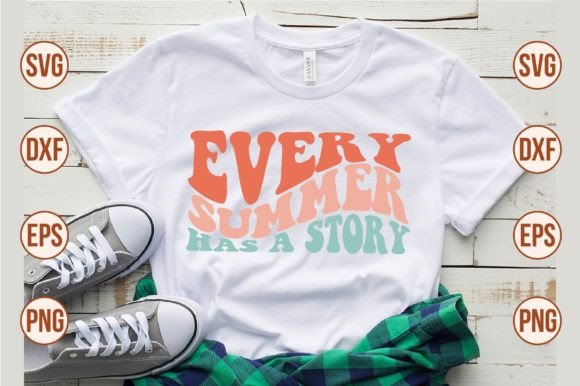
When I first opened the Every Summer Has a Story Retro Svg file, I didn't just see a vector; I saw a mood. There is a specific nostalgia in retro typography that works beautifully for embroidery, and this design captures it perfectly. It feels like a vintage travel poster or a worn-out t-shirt from a summer camp in the 70s. For an experienced designer looking to add this to their product line, the immediate question isn't about the file format, but how it translates from a screen to a needle.
The aesthetic is warm, inviting, and slightly imperfect in that charming way that handmade goods demand. It screams "personalized gift" rather than "mass-produced merchandise." Whether you are an Etsy seller building a boutique brand or a hobbyist making gifts for family, this embroidery project has the potential to elevate a simple item into something sentimental and valuable. But does the execution hold up under the pressure of real-world stitching?
From Vector to Thread: The Real-World Translation
Translating a digital graphic into a physical machine embroidery design always requires a second look at the details. This particular design relies heavily on clean lines and bold lettering, which generally plays well with machine stitches. However, the retro style often implies curves and varying stroke widths. When I visualized this as a finished product, I immediately thought about stitch density and how the threads would interact.
In a practical scenario, imagine preparing a custom embroidered tote bag for a local craft fair. You want the text to pop against the canvas without the fabric puckering. The Every Summer Has a Story Retro Svg layout is spacious enough to allow for proper spacing between letters, which is crucial for stability. If you were to over-stitch this, the retro charm could turn into a tangled mess. The key here is respecting the negative space. The design naturally invites a fill stitch for the main body of the letters, perhaps paired with a satin stitch outline to give it that crisp, vintage definition.
I also considered using this for a sweatshirt embroidery project. Sweatshirts have a bit of stretch and texture, so the design needs to be robust. The retro font choice is thick and sturdy, meaning it will likely survive the washing process better than a delicate script font might. For a small business owner, this reliability is everything. Customers don't buy a one-time gift; they buy a memory that lasts. If the embroidery starts fraying after three washes, the brand reputation takes a hit. This design, when executed correctly, offers a professional finish that builds customer trust.
Ideas for Handmade Products and Boutique Merchandise
The versatility of this design is where it truly shines for creative entrepreneurs. It fits seamlessly into several categories of handmade products. Let's talk about baby items first. Embroidered onesies or nursery wall hangings are huge right now. The phrase "Every Summer Has a Story" pairs wonderfully with a milestone blanket or a keepsake pillow cover. The retro vibe adds a timeless quality that modern parents love for their nurseries.
For those selling apparel, think beyond just t-shirts. Consider an apron for a coffee shop owner or a kitchen towel for a home baker. The design acts as a subtle branding tool. It says, "We take pride in our work," without being loud. If you are creating an embroidered patch, this design would make a fantastic accessory for denim jackets or backpacks. Patches require precise cutting and backing, and the clear vector lines of the graphics ensure that the edges will be clean and distinct.
Another strong use case is holiday embroidery. While the phrase mentions summer, the retro aesthetic makes it a great fit for end-of-year gifts, capturing memories from the past year. You could create a series of designs, each representing a different season, and sell them as a collection. This strategy increases your average order value and keeps your shop fresh throughout the year. For a cap or hat, the curved surface adds a challenge, but the rounded nature of the retro font helps it flow naturally around the crown of the hat.
Where to Exercise Caution and Strategic Planning
While this design is versatile, it is not a universal solution for every fabric or situation. As a reviewer, I must point out where this embroidery file might struggle if used without adjustment. Small hoop sizes are the first red flag. If you try to cram this design onto a tiny child's sock or a miniature patch, the fine details of the retro styling might get lost or become too dense to stitch cleanly. Always check the dimensions relative to your intended hoop size before committing to production.
Fabric texture is another critical factor. Thin fabrics, like sheer cotton or light linen, can distort easily under the tension of heavy fill stitches. If you attempt to embroider this on a thin shirt without adequate stabilizer, the back of the garment will likely pucker, ruining the drape and feel of the final product. Similarly, stretchy fabrics like jersey or spandex require a stabilizer system that prevents the design from distorting as the fabric moves. Without the right support, the letters might look wavy or uneven once the garment is stretched.
Dense stitch areas can also be problematic if the thread colors are chosen poorly. If you use a dark thread on a dark background, the retro texture might disappear entirely. Conversely, very light threads on light backgrounds can lack definition. I recommend testing the design in black and white mockups first to ensure the contrast holds up visually. Additionally, avoid placing this design on curved surfaces like caps if the lettering includes sharp corners or intricate serifs, as these can snag or break during the stitching process.
Practical Notes for the Professional Maker
Before you start producing hundreds of units for your craft business, there are non-negotiable steps to ensure success. First and foremost, test the design on scrap fabric. This is the golden rule of embroidery. You need to see how the stitch density interacts with your specific material. Does the fabric pull? Do the threads bunch up? These questions only reveal themselves during a test run.
Review your thread color palette carefully. The retro theme suggests earth tones, muted pastels, or classic primary colors. Avoid neon threads unless you are aiming for a specific avant-garde look, as they can clash with the nostalgic vibe. Inspect small details closely; sometimes, what looks good on a screen becomes illegible when stitched. Ensure that any small lettering within the design remains readable after the embroidery is complete.
Licensing is a topic that cannot be overlooked. Even though the file is described as ready to use, you must confirm whether the license allows for commercial use. Can you sell the finished physical items? Can you resell the digital file itself? These distinctions matter immensely for legal compliance. If you plan to offer this as part of a subscription service or a bundle for other designers, verify the terms explicitly.
Finally, consider the presentation. A well-executed finished product tells a story. When you photograph the embroidered tote bag or the baby onesie, the lighting should highlight the texture of the thread. The Every Summer Has a Story Retro Svg design provides the foundation, but your craftsmanship provides the soul. By paying attention to stabilizers, thread choices, and fabric compatibility, you transform a simple digital asset into a cherished heirloom.
In conclusion, this design is a strong contender for anyone looking to expand their inventory with high-quality, sentiment-driven products. It balances aesthetic appeal with practical stitching requirements, making it suitable for both personal projects and commercial ventures. Just remember that the magic lies in the execution. Take the time to test, adjust, and perfect, and you will find that this retro gem is more than just a file—it is a vehicle for your creativity.