First Father’s Day Retro Embroidery Review
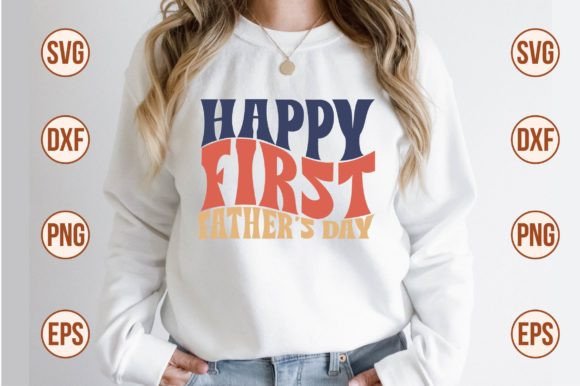
When I sit down to evaluate a new digital asset for my embroidery studio, I am rarely looking at just a pretty picture. I am looking at stitchability, commercial viability, and how that design will translate from a screen into a tangible product that a customer will cherish. Today, I am putting the Happy First Father s Day Retro Svg under the microscope. This is not just another holiday graphic; it is a specific design asset intended for crafters, small business owners, and designers who need reliable files for their machines or cutting plotters.
The product description highlights that this is a vector-based file available in EPS and DXF formats, compatible with major software like Adobe Illustrator, Inkscape, and Silhouette, as well as Cricut. For an embroidery designer, the presence of clean vector data is a massive relief. It means we are dealing with precise lines rather than pixelated raster images that can distort when scaled. The mention of 300 DPI transparency suggests high-quality export options, which is crucial for creating professional printable mockups even if the final product is stitched.
First Impressions: Mood and Visual Personality
The moment you load the Happy First Father s Day Retro Svg, the aesthetic speaks loudly. The "retro" designation usually implies bold typography, vintage color palettes (think mustard yellows, muted teals, or burnt oranges), and perhaps some distressed textures or classic shapes like sunbursts or rounded rectangles. This mood is incredibly effective for Father’s Day because it taps into nostalgia while celebrating a modern milestone.
From a design judgment perspective, the layout feels balanced. It does not look cluttered, which is a common pitfall in holiday-themed graphics. The visual personality is warm, celebratory, and approachable. It avoids being overly sentimental or cheesy, which makes it versatile enough for both personal gifts and commercial merchandise. When I imagine this on a product, it feels like something you would find in a curated boutique shop or a high-end Etsy listing, rather than a mass-produced generic item.
Real-World Application: From Screen to Stitch
Let’s talk about where this design actually lives. I recently had a client request a custom embroidered tote bag for her husband’s first Father’s Day. She wanted something that felt handmade but looked professionally finished. The Happy First Father s Day Retro Svg is an ideal candidate for this type of handmade product. Because it is provided as an editable vector, I could easily adjust the proportions to fit a standard 5x7 inch hoop without losing line integrity.
In terms of custom apparel, this design shines on sweatshirts and heavyweight t-shirts. The retro style pairs naturally with thick cotton fabrics. However, I also see potential for smaller items. An embroidered patch featuring this motif could be sewn onto a denim jacket or a baseball cap. The key here is scale. If you are working with a tote bag design, the text needs to be legible from a distance. The vector nature of the digital embroidery file allows us to scale up the text elements significantly while maintaining crisp edges, ensuring the message reads clearly.
For the Etsy seller or small shop product owner, this design offers flexibility. You can use the EPS file to create printable mockups for your online store, showing customers how the design looks on various garments. This is a critical step in buyer engagement. A clear, high-resolution preview builds trust and reduces return rates because the customer knows exactly what they are getting. The transparent background feature mentioned in the specs is vital here, allowing you to composite the design seamlessly onto different fabric textures in your marketing materials.
Technical Considerations and Stitching Strategy
As a reviewer, I must address the technical translation from vector to stitch. While the file is ready to use, converting a SVG/DXF to a machine-readable format requires careful setup. The stitch density will depend entirely on how you digitize or convert the file. If you are using auto-digitizing software, you must review the output closely. Retro designs often benefit from a mix of satin stitch for outlines and fill stitch for solid blocks of color.
I recommend testing the thread colors before committing to a production run. A retro palette might involve subtle contrasts that get lost on certain fabrics. Always test on scrap fabric that matches the texture and weight of your final material. If you are stitching on a dark fabric, you may need a tear-away stabilizer underneath to prevent puckering, especially if the design has dense areas. Conversely, if you are working with thin fabric, a cut-away stabilizer might be necessary to maintain structure over time.
One area to watch is the hoop size. Ensure that the final stitched dimensions fit comfortably within your machine’s maximum hoop capacity. If the design includes intricate details or tiny lettering, verify that these elements are large enough to be stitched cleanly. Small details can sometimes merge together if the stitch density is too high or if the thread tension is off. Inspect the design in black and white mode during your pre-production checks to ensure contrast remains strong.
Where to Use With Caution
Not every surface is created equal. While this design is versatile, there are situations where it requires extra care:
- Stretchy Fabrics: If you plan to embroider this on athletic wear or stretchy knit caps, you must use a strong stabilizer to prevent distortion. The retro style relies on clean lines, which can warp if the fabric stretches during stitching.
- Textured Fabrics: On bouclé wool or heavily textured knits, fine details may disappear. In these cases, simplify the design or increase the thickness of the strokes.
- Curved Surfaces: Embroidering directly onto a curved cap brim can be challenging. It is often safer to embroider the design flat on a cushion, then attach the patch to the hat. This ensures the embroidery project maintains its shape and symmetry.
- Frequent Washing: For items like kitchen towels or aprons that will undergo frequent laundering, ensure the stitches are secure. A loose running stitch detail might fray over time. Reinforce any delicate areas.
Impact on Product Value and Brand Consistency
Using a well-designed asset like the Happy First Father s Day Retro Svg elevates the perceived value of your finished product. Customers can tell the difference between a clip-art image slapped onto a shirt and a thoughtfully integrated design. The retro aesthetic adds a layer of sophistication that appeals to buyers looking for personalized gift options that feel timeless rather than trendy.
For the craft business owner, consistency is key. If you use this design across multiple products—say, a matching set of a tote bag, a tea towel, and a pillow cover—you create a cohesive brand identity. The vector files allow you to resize the logo or text slightly for each item while keeping the core visual language intact. This brand consistency helps build recognition and encourages repeat purchases.
Furthermore, the design assets provided are editable. This means you can tweak the font size, adjust the spacing, or add a small accent element to make the design unique to your brand. This level of customization is what separates a hobbyist from a professional creative entrepreneur. It shows attention to detail and respect for the customer’s investment.
Final Verdict for Designers and Sellers
The Happy First Father s Day Retro Svg is a solid addition to any designer’s library. Its vector foundation ensures quality, its aesthetic fits the current market demand for nostalgic yet modern holiday items, and its versatility allows for a wide range of applications. Whether you are creating a holiday embroidery collection for your shop or making a heartfelt baby embroidery keepsake, this design provides a reliable starting point.
Remember to always check the licensing terms before selling finished items or digital products. Confirm whether the file is intended for personal use only or if it includes commercial rights. Once you have cleared that hurdle, test your stitch settings, choose your threads wisely, and bring this design to life. It has the potential to become a standout piece in your commercial embroidery portfolio, driving sales and delighting customers who appreciate the care put into every stitch.