About Lucky One Retro Svg Design Review
When I pull a new file into my digitizing software, I am not just looking at pixels; I am visualizing the needle drop. As an embroidery designer who spends hours judging stitch density and thread tension, my first impression of About Lucky One Retro Svg Design is rooted in practicality. This isn't just a graphic to slap on a shirt; it is a design asset that requires careful consideration before it ever touches the hoop. The retro aesthetic brings a specific mood—one that feels nostalgic yet fresh—and understanding how that translates from vector to fabric is where the real value lies for any crafter or small business owner.
The Visual Personality and First Impressions
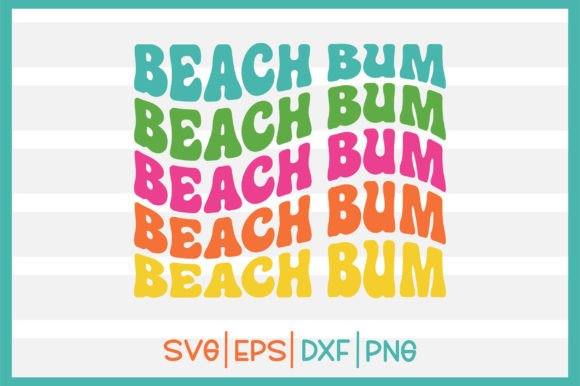
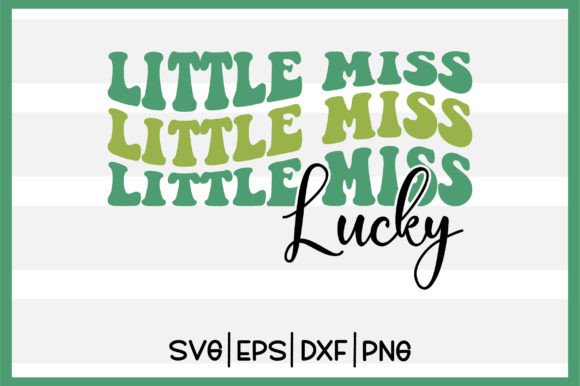
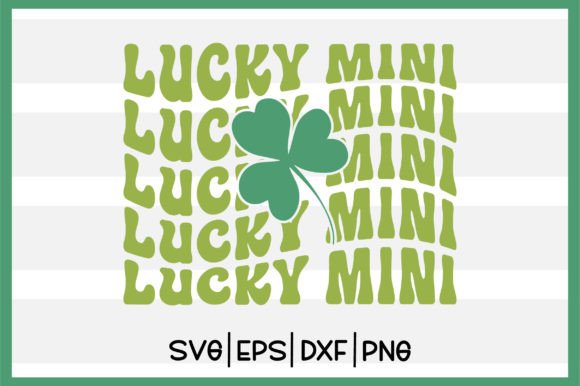
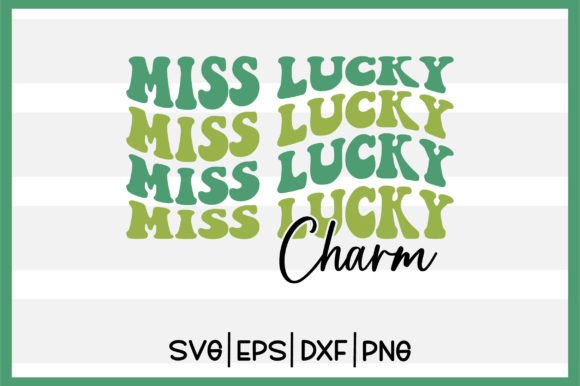
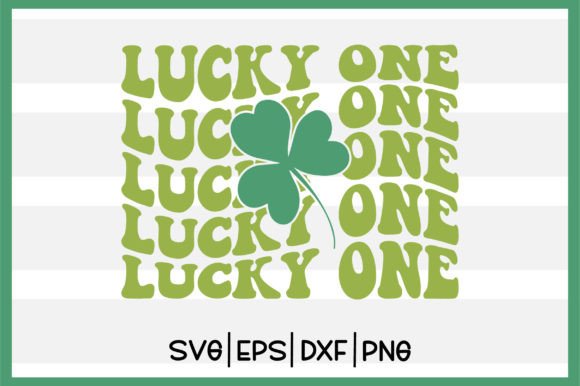
The moment you load About Lucky One Retro Svg Design, the visual personality stands out immediately. It carries a distinct vintage charm that resonates well with current trends in handmade goods. The shapes are bold enough to hold their own against the texture of woven fabrics, which is a critical factor. In embroidery, if a design is too delicate or relies on subtle gradients that don’t translate well to thread, it often gets lost. Here, the lines feel confident. Whether this is intended for a machine embroidery design workflow or used as a cutting guide for applique, the composition suggests a design that is meant to be seen clearly from a distance.
This design fits naturally into the world of personalized gifts and boutique branding. It has that "cozy" vibe that customers love when shopping for holiday embroidery or nursery decor. It doesn’t scream for attention with loud colors but rather invites the eye with its balanced layout. For an Etsy seller or someone running a small shop product line, this kind of versatile aesthetic is gold because it appeals to a broad demographic without feeling dated quickly.
Real-World Application: From Screen to Stitch
Let’s talk about where this actually lives in your production pipeline. I recently imagined using About Lucky One Retro Svg Design for a custom embroidered tote bag design project. The structure of the design suggests it would sit beautifully centered on a canvas tote. However, the choice of fabric texture plays a huge role here. On a smooth cotton duck canvas, the retro lines will pop. But if you move to a heavily textured burlap or a fuzzy fleece, those same lines might blur together.
I also see this performing exceptionally well as sweatshirt embroidery. Think of a crewneck sweatshirt in heather grey or cream. The contrast between the soft fabric nap and the crisp lines of the design creates a professional finish. It works equally well for baby embroidery projects, such as onesies or burp cloths, where the retro theme adds a touch of whimsy without being overly childish. For commercial embroidery projects aimed at craft fairs, this design bridges the gap between trendy and timeless, making it a safe bet for inventory that won’t go stale by next season.
Versatility Across Product Types
The adaptability of this design extends beyond simple apparel. Consider its potential as an embroidered patch. If you are creating accessories like backpacks or denim jackets, the clean edges of About Lucky One Retro Svg Design allow for effective satin stitch borders that protect the inner details. It also translates well to kitchen textiles. A tea towel or apron featuring this design can elevate a mundane household item into a gift-worthy piece. The design assets included in the download—SVG, EPS, DXF, and PNG—give you the flexibility to scale and adjust depending on whether you are working with a standard 4x4 hoop or a larger multi-needle machine setup.
Where Caution Is Required
No design is perfect for every surface, and being honest about limitations is part of responsible design review. There are specific scenarios where About Lucky One Retro Svg Design needs careful handling. If you are planning to use this on curved surfaces like caps or hats, you must ensure your digitizing accounts for the curvature. Flat designs often distort when pulled tight over a crown, so testing the placement is non-negotiable.
Furthermore, avoid placing this on stretchy fabrics without proper stabilization. The tension required to keep the stitches flat might cause the fabric to pucker, ruining the clean look of the retro lines. Thin fabrics are another risk area; if the stitch density is high, you may end up with a stiff, cardboard-like feel that detracts from the comfort of the garment. I also advise caution with dark fabrics unless you are using high-quality white or light-colored thread. Without sufficient contrast, the subtleties of the design can get swallowed by the background color.
Technical Notes for the Embroidery Designer
Before committing to a full production run, there are several technical steps every maker should take. First, always test the design on scrap fabric. This allows you to check thread color contrast and inspect small details that might disappear during stitching. Review the stitch density carefully; while the file formats provided (SVG, EPS, DXF, PNG) give you the visual blueprint, the actual execution depends on how the file is converted for your specific machine.
If you are using this as an applique design, pay close attention to the underlay stitches that will hold the fabric in place. For fill stitch areas, ensure your thread choice complements the retro mood—earthy tones or muted pastels often work better than neon brights. Use a proper stabilizer appropriate for your fabric weight; tear-away stabilizers are great for woven bags, but cut-away might be necessary for knits to prevent distortion over time. Also, consider testing the design in black and white mockups to ensure the shape remains recognizable regardless of color choices.
Final Verdict on Value and Trust
Ultimately, About Lucky One Retro Svg Design offers strong visual appeal and professional potential. When executed correctly, it enhances the perceived value of a handmade product. Customers trust brands that deliver consistent quality, and a well-stitched design signals that care was taken in the creation process. It supports brand consistency by offering a recognizable style that can be repeated across different items, from pillow covers to custom apparel.
For digital product sellers, including these graphics in your portfolio adds variety. For physical makers, it provides a reliable foundation for a best-selling item. Just remember to confirm licensing terms before selling finished items or digital products. Ensure you understand the scope of commercial use allowed with the SVG, EPS, DXF, and PNG files. By respecting the technical requirements and choosing the right fabric combinations, this design can become a staple in your creative arsenal, helping you create finished products that customers are proud to own and wear.